
Criminal Law and Juvenile Justice: A Closer Look
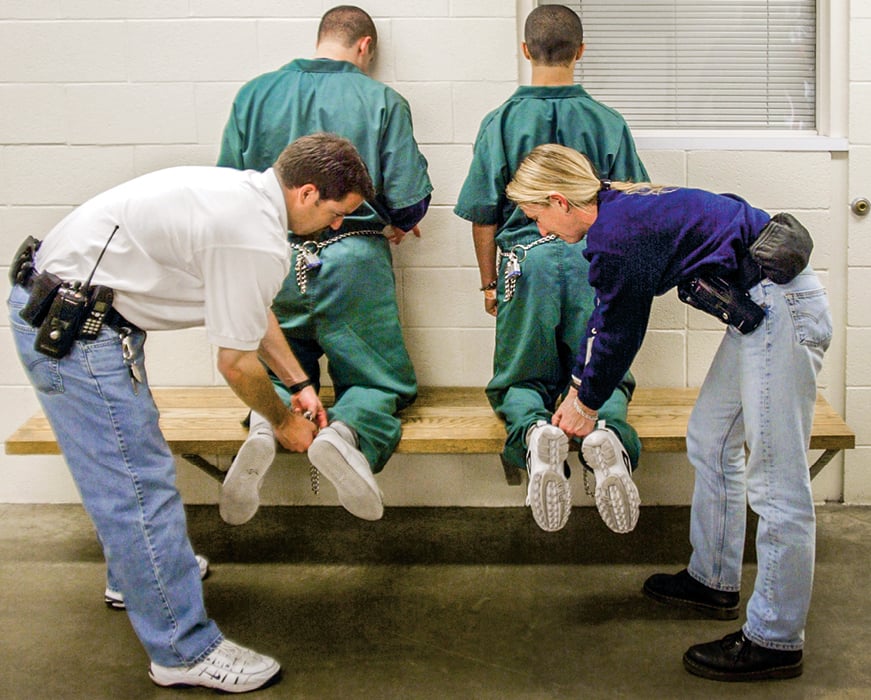
The intersection of criminal law and juvenile justice presents a unique challenge for legal systems worldwide. Unlike adult offenders, juveniles require a distinct legal approach that considers their cognitive development, social influences, and potential for rehabilitation. As societies strive for fairness, legal frameworks must balance accountability with restorative measures.
The Evolution of Juvenile Justice in Criminal Law
Historically, juvenile offenders were treated similarly to adults in criminal proceedings, often facing harsh punishments with little regard for their age or circumstances. However, modern jurisprudence acknowledges that young offenders differ from their adult counterparts in terms of judgment, impulse control, and rehabilitation prospects. This shift has led to the development of specialized legal systems addressing juvenile justice in criminal law.
Juvenile courts, diversion programs, and alternative sentencing structures now play a pivotal role in handling youth offenders. These mechanisms aim to correct behavior without imposing lifelong punitive consequences that could hinder a young person’s future prospects.
Criminal Law for Young Offenders
Legal systems worldwide continue to refine criminal law for young offenders, focusing on principles of proportionality and rehabilitation. Most jurisdictions differentiate between juvenile and adult justice systems by implementing the following key measures:
- Diversion Programs – Designed to redirect young offenders from traditional court proceedings into rehabilitative initiatives, such as community service, counseling, or educational programs.
- Restorative Justice – Encourages offenders to take responsibility for their actions and make amends with victims through mediation and reparative actions.
- Graduated Sentencing – Ensures that punishments correspond to the severity of the offense while considering the offender’s age and background.
How Criminal Law Handles Juveniles
One of the most pressing concerns in juvenile justice reform is determining how criminal law handles juveniles who commit serious crimes. While some argue for leniency given the developmental differences of young offenders, others push for stricter consequences in cases involving violent or repeated offenses.
The legal approach varies significantly across different jurisdictions. Some countries maintain a strict cutoff age for juvenile offenders, while others adopt a more flexible model that allows judges to assess cases individually. In some instances, extreme cases of juvenile delinquency may lead to the transfer of cases from juvenile to adult courts, particularly when the crime is grave.
The Role of Rehabilitation and Reintegration
The emphasis on rehabilitation is central to modern juvenile justice policies. Studies indicate that punitive approaches often fail to deter youth crime, while rehabilitative strategies yield better long-term outcomes. Education, vocational training, and psychological support programs are integral to reintegrating juvenile offenders into society as productive individuals.
Moreover, policymakers are advocating for improvements in detention center conditions, ensuring they serve as reformative institutions rather than punitive environments that exacerbate criminal behavior.
The Future of Juvenile Justice
With evolving societal perspectives and advancements in behavioral science, criminal law and juvenile justice will likely continue shifting toward more progressive, evidence-based policies. Greater collaboration between legal professionals, psychologists, and social workers will be crucial in refining juvenile justice models to better serve both young offenders and society at large.
As legal frameworks adapt, the focus will remain on fostering environments that guide juveniles toward positive futures rather than entrenching them in cycles of crime and incarceration. The continuous evolution of juvenile justice in criminal law ensures that young offenders are given opportunities to reform, learn, and contribute meaningfully to their communities.