
The Role of Electronic Evidence in Modern Bicycle Accident Investigations
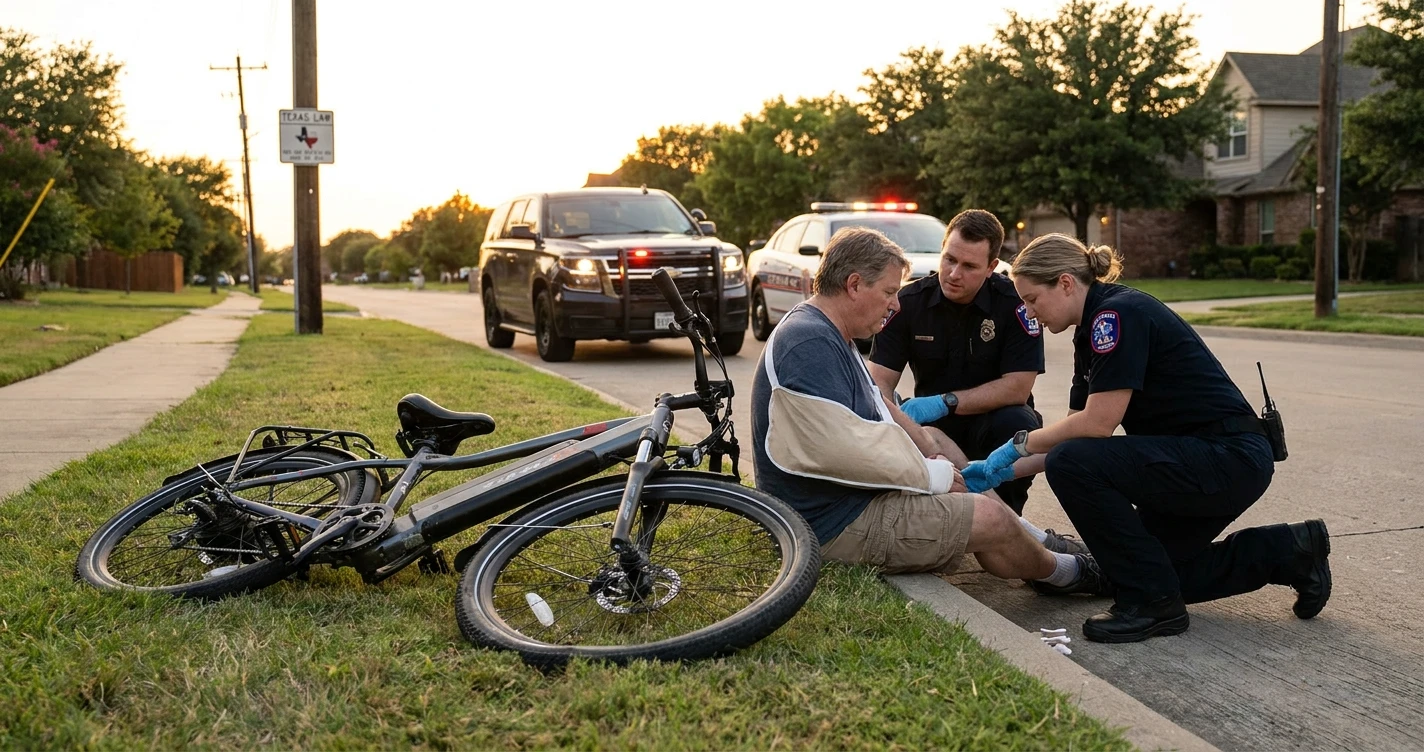
Traffic cameras, smartphones, and vehicle technology have changed how investigators examine cycling accidents. A collision that once depended mainly on witness statements may now leave behind digital records showing vehicle movements, speed, and events leading up to the impact. This information can help establish what happened during a bicycle accident, especially when drivers and cyclists give conflicting accounts.
How Traffic Cameras Can Reveal What Witnesses Missed
Surveillance cameras can capture details that people fail to notice during a sudden collision. Cameras installed outside businesses, parking facilities, and residential properties may record a driver making an unsafe turn, entering an intersection, or passing too closely to a cyclist. Footage can also help establish vehicle positions, traffic signals, and the sequence of events before impact. However, the usefulness of a recording depends on its quality, camera angle, and whether important details appear within the frame.
Obtaining footage quickly matters because many security systems automatically overwrite older recordings. A business might retain video for only a limited period, making early requests important. Investigators may compare recordings from several locations to understand how a vehicle approached the accident scene. Original files should remain unedited whenever possible, as timestamps and recording information may help establish their reliability during an insurance investigation or lawsuit.
What Can Bicycle Computers and Fitness Apps Tell Investigators?
Cycling computers, GPS devices, and fitness apps can provide useful information about a rider’s movements before a crash. Depending on the equipment, recorded data may show the route, approximate speed, travel direction, and time of the incident. These details can help investigators examine claims that a cyclist entered an intersection unexpectedly or traveled at an unsafe speed. GPS readings are not always exact, particularly near buildings or areas with poor satellite reception. A bicycle accident attorney may compare the information with roadway measurements, witness accounts, and video footage before relying on it to establish how the collision occurred.
Vehicle Technology May Hold Important Crash Details
Modern vehicles sometimes store information about speed, braking, acceleration, and other operating conditions shortly before certain collisions. Event data recorders, commonly called black boxes, may capture these details when a qualifying event triggers recording. However, not every vehicle records the same information, and some minor collisions may not trigger the system. Qualified specialists may need specialized equipment to retrieve and interpret the data.
Dashcams can provide another source of electronic evidence. A camera mounted inside the vehicle might show whether the driver approached a stop sign, changed lanes, or entered a cyclist’s path. Other nearby vehicles may also have recordings that captured the incident. A bicycle accident lawyer can help identify potentially relevant digital records and determine whether formal requests are necessary to obtain them.
Can Phone Records Help Establish Driver Distraction?
Phone activity may become relevant when investigators suspect a driver was texting, making calls, or using an application before the collision. Call logs and other available records can sometimes help establish whether the device was active around the time of the incident. However, phone activity alone does not prove that the driver was distracted or caused the accident. Access to private records may require consent or appropriate legal procedures. Investigators must connect the evidence to the driver’s conduct rather than assume that using a phone automatically establishes liability.
Why Digital Records Need Careful Verification
Electronic evidence can support a bicycle accident claim, but investigators must confirm that the information is accurate and relevant. Camera clocks may display incorrect times, GPS readings can contain errors, and video recordings may not show the entire incident. Comparing several sources helps identify inconsistencies and prevents conclusions based on incomplete information. Medical records remain necessary to establish the bicycle injury and its effects, while digital evidence may help clarify how the crash occurred.
Using Electronic Evidence to Address Disputed Liability
Alabama’s contributory negligence rule makes reliable evidence particularly important when an insurer claims that a cyclist contributed to a collision. Digital records may help determine whether a driver failed to yield, ignored a traffic signal, or acted carelessly. Their value depends on how clearly they establish the circumstances surrounding the accident.
Extracting digital files from smashed bikes and vehicle computers requires specialized tools and deep legal knowledge. The Lackey Law Firm brings years of experience to the table, helping injured cyclists uncover hidden electronic evidence. Their team steps in to secure video loops, preserve vehicle black box data, and download cycling telemetry to build a definitive case. If you need a dedicated bicycle accident lawyer to handle the technical complexities of your recovery, reaching out to their Huntsville office provides the professional support necessary to hold negligent drivers accountable.